How to Identify Tree Stress Early Before It Becomes a Bigger Problem
Catching tree stress early can make all the difference in protecting the health and lifespan of your trees. When you know what to look for, you can step in before minor issues turn into costly—or dangerous—problems.
Trees do a lot for us. They provide oxygen, store carbon, create shade, and support wildlife. But just like any living thing, they can struggle under the wrong conditions. The sooner you recognize the signs of stress, the better chance your trees have to recover and thrive.
What Is Tree Stress?
Tree stress is any condition that interferes with a tree’s normal growth and function. Sometimes it happens suddenly, like a late frost after warm weather. Other times, it builds up slowly from ongoing issues like pollution, compacted soil, or poor drainage.
Some stress is manageable, and trees can bounce back. In fact, mild stress can even strengthen resilience. But when stress goes beyond what a tree can handle, it can lead to decline or even death. The key is knowing when it’s becoming too much.
Common Causes of Tree Stress
Trees can experience stress from a variety of sources, including:
- Extreme weather (drought, heavy rain, strong winds, frost)
- Construction and development that compact soil or damage roots
- Air pollution
- Pests and diseases
- Improper watering or poor drainage
Often, it’s not just one issue. It’s a combination of factors that gradually weaken a tree over time—something a professional local tree service can help identify and address before serious damage happens.
How Stress Impacts Tree Health
When a tree is under prolonged stress, it struggles to grow, reproduce, and defend itself. You may notice:
- Smaller leaves and reduced shoot growth
- Fewer flowers or seeds
- Increased vulnerability to pests and disease
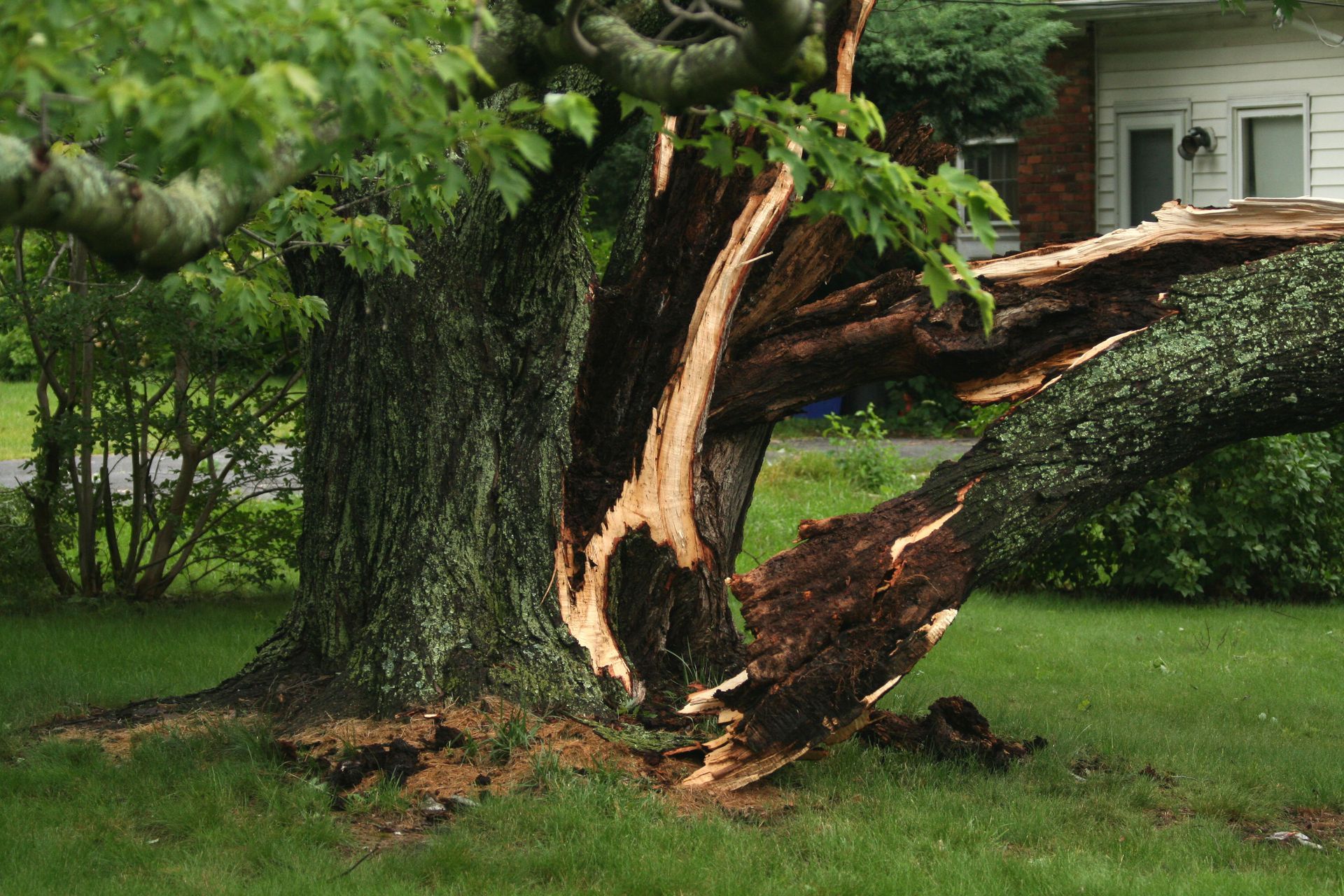
- Structural weakening
Over time, this can lead to branch loss, decay, or even total tree failure if not addressed promptly by an experienced local tree service.
How Do You Know If a Tree Is Stressed?
Early detection usually starts with simple observation. Here are some of the most common warning signs.
Leaf Discoloration and Wilting
Leaves are often the first clue. Watch for:
- Yellowing (chlorosis), which can signal nutrient deficiencies or overwatering
- Brown edges or tips, often linked to drought or heat stress
- Wilting, even when soil moisture seems adequate
- Spots or blotches that may indicate pests or fungal issues
- Premature leaf drop
Bark Cracks or Peeling
Changes in bark can point to deeper issues. Cracks, splits, or peeling bark may result from freeze-thaw cycles, rapid moisture changes, or physical injury, and a professional local tree service can help assess the severity. These openings can allow pests and disease to enter if left untreated.
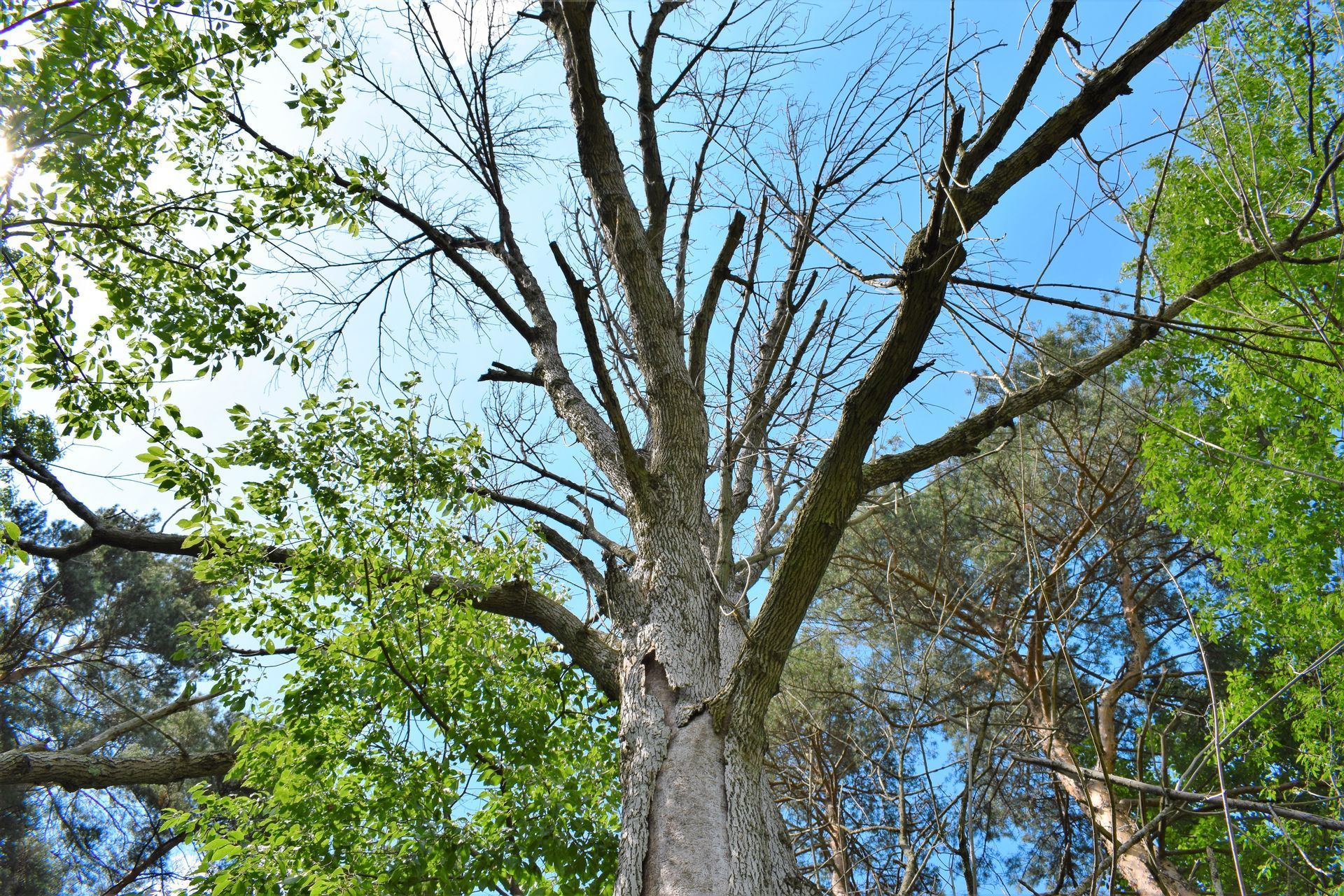
Branch Dieback
If branches start dying from the tips inward, that’s called dieback. It’s often a sign the tree can’t properly transport nutrients and water. Left untreated, dieback can spread and weaken the entire tree.
Root Problems
Because roots are hidden underground, issues often go unnoticed until visible symptoms begin to appear above the surface. Paying attention to changes around the base of your tree can help you catch serious problems early.
Healthy roots should be firmly anchored in the soil. Warning signs include:
- Uplifted or exposed roots : Roots that are lifting out of the ground or becoming exposed may indicate soil compaction, erosion, or shifting ground. Exposed roots are more vulnerable to drying out, physical damage, and temperature extremes.
- Soil erosion around the base : If you notice soil washing away or thinning near the trunk, the root system may be losing critical support. Erosion can reduce stability and limit the tree’s ability to absorb water and nutrients effectively.
- Noticeable movement at the trunk : A tree that shifts or rocks in the wind could be experiencing root damage or failure. Even slight movement can signal weakening underground support that may worsen over time.
Root damage is serious because it affects both stability and nutrient absorption, and a skilled local tree service can help identify and treat these problems early. When roots are compromised, the entire tree can decline quickly, increasing the risk of structural failure and long-term health issues.
Leaning Trees
A slight lean can be natural, but significant leaning is a red flag. According to Forbes, trees leaning more than 15% off vertical ought to be removed by a local tree service for safety, even if they appear otherwise healthy. Excessive leaning can signal root instability and increase the risk of collapse.
Unusual Growth Patterns
Sometimes stress shows up not in the color of the leaves or the condition of the bark, but in the way a tree grows and develops over time.
Watch for:
- Twisting or spiral growth : When a trunk or branches begin to twist, it can signal ongoing environmental stress such as strong prevailing winds or uneven light exposure. Over time, this irregular growth may weaken the tree’s structural integrity and make it more vulnerable to breakage.
- Misshapen branches : Branches that grow unevenly, cross over each other, or develop awkward angles may indicate that the tree is struggling to distribute nutrients properly. These structural irregularities can also increase the risk of limb failure during storms or high winds.
- Stunted development : If a tree’s leaves, shoots, or overall canopy appear smaller than expected for its age or species, stress may be limiting its growth. Prolonged stunting often points to root issues, compacted soil, or nutrient deficiencies that require attention.
- Sudden shoots growing from unusual areas (epicormic growth) : When new shoots sprout directly from the trunk or older branches, it’s often a sign the tree is under significant stress. These shoots form as a survival response, redirecting energy in an attempt to compensate for damage or decline elsewhere.
These changes often indicate the tree is redirecting energy to cope with stress. While some unusual growth can be corrected with proper pruning and care, ongoing abnormalities typically signal deeper underlying issues that should be evaluated by a local tree service .
Why Is Early Detection So Important?
The earlier you identify tree stress, the more options you have to correct it. Acting quickly often means simpler, less expensive solutions instead of major interventions later. It also gives your tree the best possible chance to recover before permanent damage sets in. Timely intervention from a local tree service can:
- Prevent irreversible damage : Addressing problems early can stop decay, disease, or structural weakness from spreading throughout the tree. Once internal damage progresses too far, recovery may no longer be possible.
- Improve recovery outcomes : Trees that receive prompt care typically regain strength faster and return to healthy growth patterns. Early treatment reduces long-term stress and helps restore natural balance.
- Reduce safety risks : Catching structural issues early lowers the chance of falling limbs or unexpected tree failure. This is especially important near homes, driveways, sidewalks, and high-traffic areas.
- Protect the surrounding landscape : Healthy trees support nearby plants by providing shade, stabilizing soil, and maintaining moisture levels. Early intervention also prevents pests or disease from spreading to other trees and shrubs.
Healthy trees don’t just look better but they also provide long-term environmental and property value benefits. Proactive care protects your investment and enhances curb appeal year after year.
Don’t Wait Until It’s Too Late
Tree stress doesn’t fix itself. Small warning signs can quickly escalate into major hazards or costly removals if left unchecked.
If you’ve noticed leaning, leaf discoloration, bark damage, or unusual growth patterns, now is the time to act. The experienced team at RLB Tree Service can assess your trees, identify underlying issues, and recommend the right solutions to restore their health and safety.
Contact RLB Tree Service today to schedule a professional tree evaluation and protect your property before minor stress turns into a major problem.
Recent Posts