4 Common Tree Problems Solved by a Local Tree Service
Trees enhance our homes with beauty, shade, and value, but they also require care to stay healthy and safe. Homeowners often underestimate the challenges of maintaining trees, from structural problems to diseases and pests. In addition, environmental factors like soil quality, weather conditions, and nearby construction can complicate tree care. When issues arise, addressing them promptly can prevent costly damage and protect both your property and family. A local tree service can provide the expertise, tools, and hands-on care necessary to tackle a variety of tree problems efficiently.
Many common tree issues are subtle and easily overlooked. While some signs are visible, like dead branches or leaning trees, others, such as internal decay or root damage, may remain hidden until they cause serious problems. Learning to recognize early warning signals can save both money and stress down the road. Understanding these challenges and knowing when to call a professional can make a huge difference in maintaining a healthy landscape. Explore four common tree problems and see how a professional tree service can resolve them effectively.
1. Leaning or Unstable Trees
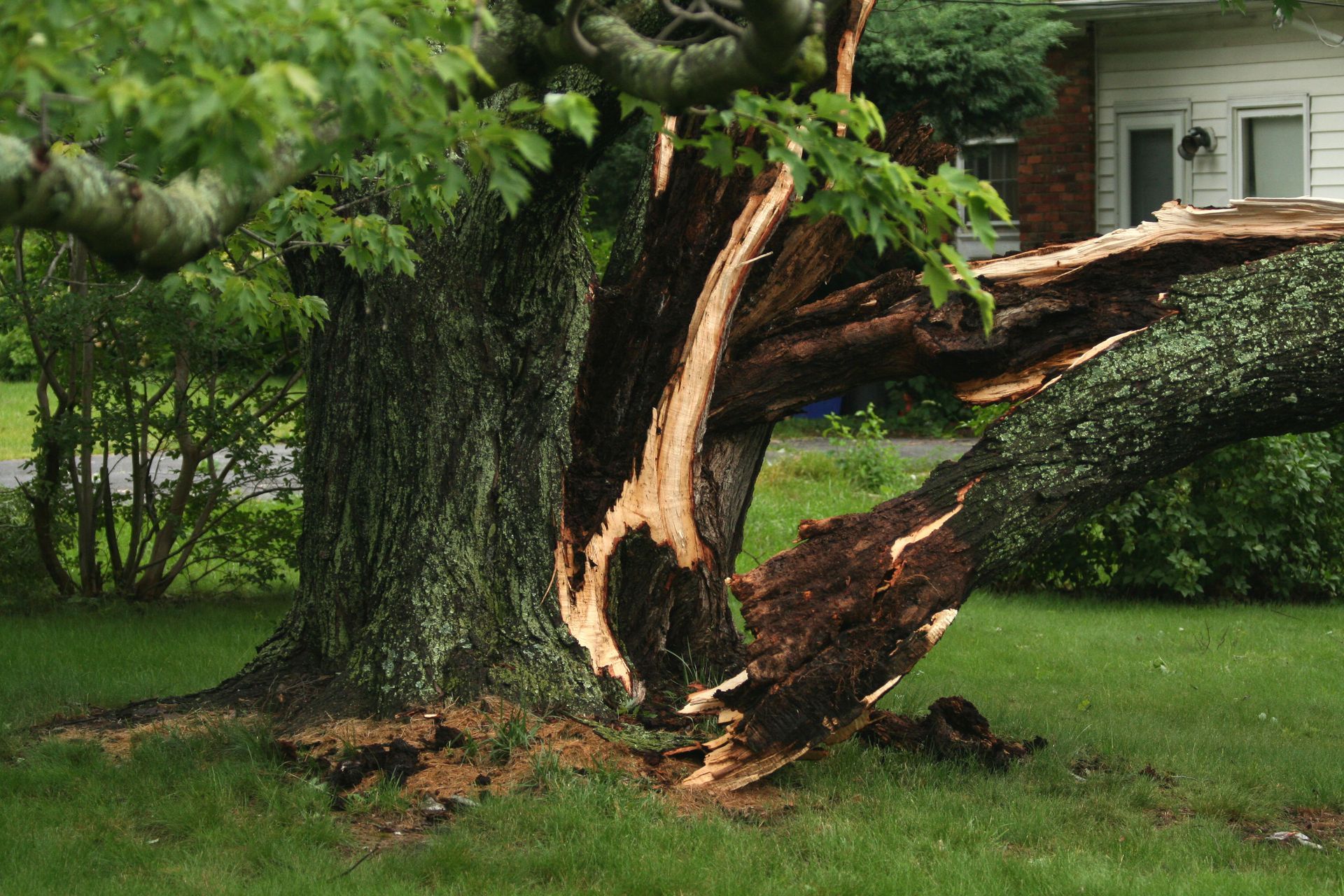
A tree that leans dramatically can be hazardous, especially during storms or high winds. While a slight lean may not always signal danger, any tree tilted significantly from vertical can threaten nearby structures or people. According to Forbes, even healthy trees that lean more than 15% off vertical plumb should typically be removed for safety reasons. Professionals can assess the tree’s stability and determine whether it can be supported or should be removed entirely.
Ignoring a leaning tree can have serious consequences. During severe weather, even a seemingly minor lean can cause the tree to topple, damaging homes, vehicles, or landscaping. Trained arborists use specialized tools and techniques to safely stabilize or remove unstable trees, minimizing risk to your property. They can also recommend preventive measures, such as monitoring soil conditions or selecting safer planting locations, to reduce future hazards.
A local tree service will begin by evaluating the tree’s root system, trunk integrity, and surrounding environment. Factors like soil erosion, water saturation, and previous damage play a crucial role in determining whether a tree can remain safely in place. If removal is necessary, trained professionals can take down the tree systematically, avoiding harm to nearby structures. For trees that can be preserved, cabling or staking can provide additional support, giving homeowners peace of mind.
Regular inspections help identify leaning or unstable trees early, allowing homeowners to catch potential hazards before they become serious threats. By evaluating the tree’s structure, root system, and surrounding environment on a routine basis, professionals can detect subtle signs of instability that might otherwise go unnoticed. Identifying these risks before they escalate can prevent emergencies, protect property and loved ones, and reduce the need for costly emergency removal services.
2. Dead or Dying Branches
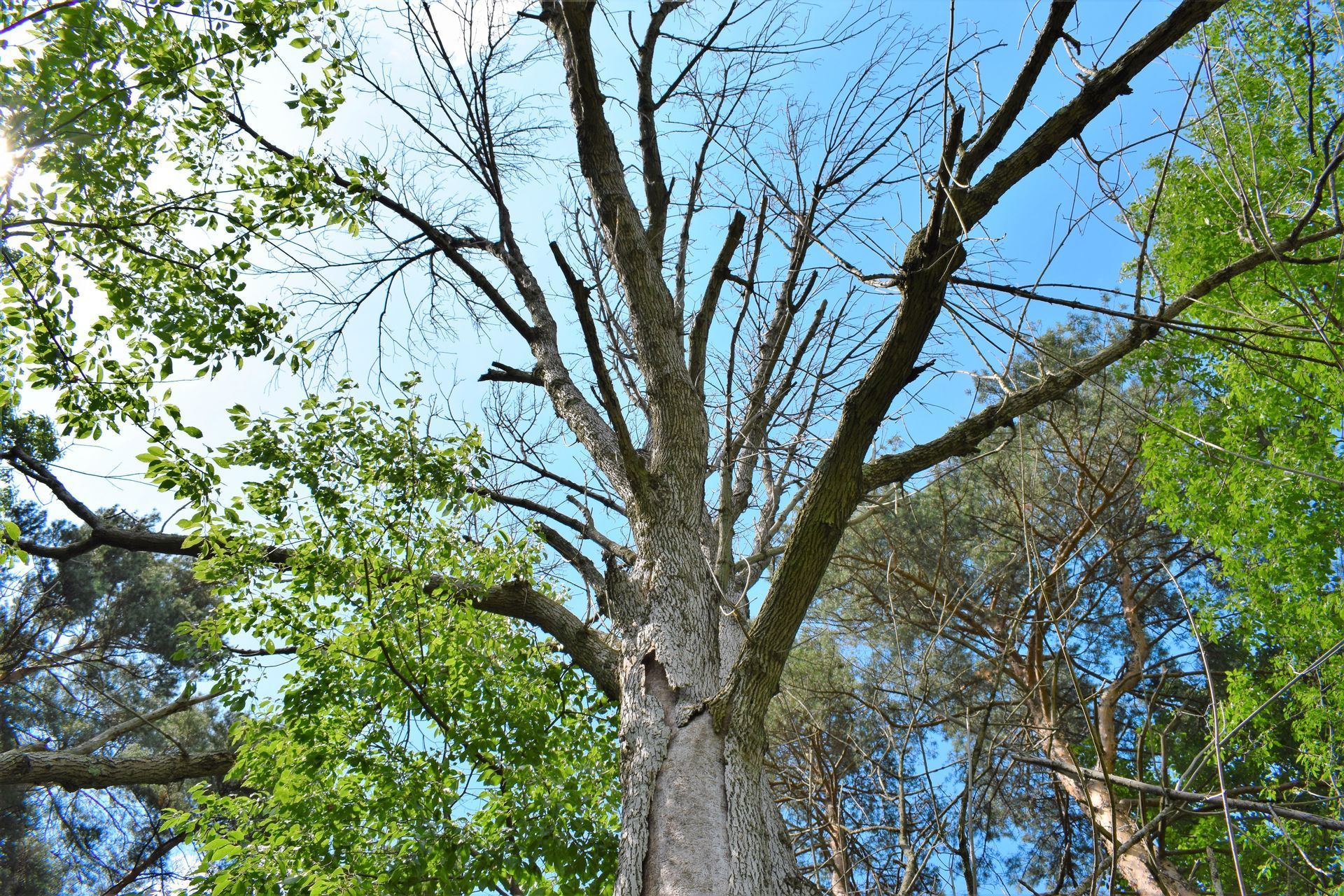
Dead or dying branches are more than just unattractive; they're potential hazards. Falling limbs can injure people, pets, or damage property. Identifying these branches early allows professionals to prune or remove them safely. Regular maintenance promotes tree health while improving the safety and appearance of your yard.
The causes of branch dieback vary widely, from disease and pest infestations to environmental stressors like drought or frost. Homeowners may notice thinning foliage, discolored leaves, or brittle branches as early warning signs. Attempting to remove large or high branches without professional equipment can be dangerous. A local tree service has the proper tools, such as climbing gear, saws, and cranes, to safely access and prune these branches.
Proper pruning is critical to maintaining tree health. Incorrect cuts can leave open wounds, inviting insects or disease. Skilled arborists know how to remove dead limbs while preserving the tree’s natural structure. They can also advise on fertilization or treatments to help the tree recover and thrive.
Removing dead or dying branches not only enhances safety but also strengthens the tree by reducing stress and the risk of disease spreading. Proper pruning improves airflow through the canopy, increases sunlight penetration, and encourages the development of strong, healthy growth, all of which contribute to a more resilient tree.
3. Pest Infestations or Disease
Trees are vulnerable to pests and diseases that can severely compromise their health. From boring insects to fungal infections, these problems often worsen if not addressed promptly. A local tree service can identify early signs and implement treatment plans tailored to the specific issue, preventing long-term damage.
Common pests include aphids, beetles, and caterpillars, which weaken branches and stunt growth. Diseases like blight, powdery mildew, or root rot attack various parts of the tree and may spread to nearby plants. Symptoms can include discolored leaves, unusual growths, or wilting. Professionals can diagnose the problem accurately and apply targeted treatments such as pruning, chemical sprays, or soil amendments.
Preventive care is equally important. Regular inspections, fertilization, and pruning reduce the likelihood of infestations. Experienced specialists can also advise on watering habits and soil health, which support the tree’s natural defenses. Early detection and intervention are often more cost-effective than dealing with severe infestations later.
Timely treatment preserves both the tree’s health and its long-term value. Acting early can prevent small issues from becoming costly, extensive problems. Professional care ensures solutions are safe, effective, and minimally disruptive, keeping your landscape thriving and attractive.
4. Root and Soil Issues
Tree roots are critical to stability, nutrient absorption, and long-term health, yet they are often overlooked. Root problems like rot, girdling, or soil compaction can undermine a tree’s structural integrity. Tree care professionals can assess the root system, identify hazards, and recommend solutions to prevent tree failure or property damage.
Healthy roots anchor the tree and allow it to absorb water and nutrients. Root damage may occur due to construction, disease, or pests, while poor soil conditions like compaction or erosion exacerbate the problem. Signs of root stress include leaning trees, wilting, poor growth, or exposed roots. Professionals can implement solutions such as soil aeration, root pruning, or targeted fertilization to restore stability and vitality.
Roots that grow into undesirable areas, like foundations, sidewalks, or underground utilities, require careful management. Arborists evaluate options such as selective root removal, barriers, or even transplanting to balance safety with tree preservation. Their interventions ensure the tree remains healthy while mitigating property risk.
Proactive root and soil care strengthens trees and reduces long-term hazards. By working with a local tree service, homeowners can maintain strong, resilient trees while preventing damage to surrounding areas. Healthy roots are the foundation for a thriving tree and a safe, beautiful landscape.
Trees provide beauty, shade, and environmental benefits, but they require proper care to remain safe and healthy. Leaning trees, dead branches, pest infestations, and root problems are all common issues that, if left untreated, can create hazards or lead to costly repairs. A local tree service can address these issues efficiently and professionally.
Professional tree care is an investment in safety and long-term landscape health. Regular inspections, preventive care, and timely interventions help trees thrive while minimizing risk to property and family. Whether addressing structural instability, disease, or root issues, professional services provide solutions that preserve both safety and the beauty of your outdoor spaces.
Protect your trees and your property with our professional local tree service . Contact RLB Tree Service today for comprehensive tree care, from trimming to stump removal.
Recent Posts