The Post-Storm Audit: Checking Remaining Trees After a Hit
A major storm can change the landscape around a property in a matter of minutes. High winds, lightning, heavy rain, and falling debris can leave trees with broken branches, leaning trunks, exposed roots, or damage that is difficult to see from the ground. Even when a tree remains standing, it may have suffered structural problems that create concerns long after the weather clears. A post-storm inspection provides an opportunity to identify visible hazards and determine whether additional attention is needed. Working with a local tree service can help property owners evaluate storm-damaged trees and understand which concerns require prompt professional attention.
Start With a Careful Visual Assessment
After a storm, the first step is to look over the property from a safe distance and note obvious changes. Fallen branches, split limbs, leaning trunks, hanging wood, and exposed roots can all indicate that a tree has been affected. Pay attention to trees that were close to falling branches or structures because they may have sustained damage even if they remain upright. A visual assessment should not involve approaching unstable trees or standing beneath damaged limbs. Instead, note what can be safely observed and provide that information to a local tree service. Professional crews can then evaluate areas that may present hazards or require closer inspection.
Look for Broken and Hanging Branches
Broken branches are among the most noticeable signs of storm damage, but not every damaged limb falls completely to the ground. Some branches can remain partially attached and suspended within the canopy. These hanging limbs can become dangerous later when wind, rain, or additional weight causes them to fall. Large cracks or splits where branches connect to the trunk can also indicate structural damage. Because damaged limbs can move unexpectedly, they should be evaluated by trained professionals. A local tree service can determine whether affected branches need to be removed and whether the damage has compromised other parts of the tree.
Check Trees for Leaning or Movement
A tree that suddenly leans in a direction it did not before the storm deserves prompt attention. Changes in the soil around the root zone can indicate that the tree has shifted, particularly when strong winds have placed substantial force on the trunk and canopy. Freshly exposed roots, raised soil, cracks in the ground, or a noticeable change in the tree's position can all warrant further evaluation. A leaning tree may remain standing for some time before becoming unstable, so its condition should not be judged solely by whether it has fallen. A local tree service can assess the trunk, root area, and surrounding conditions to determine the appropriate response.
Inspect the Trunk for Splits and Cracks
The trunk provides the primary structural support for a tree, which makes storm-related cracks particularly important. Vertical splits, large cavities, separated bark, and broken sections can indicate significant damage. Lightning strikes can also leave visible marks along the trunk, while strong winds may cause cracks where major branches connect. Some damage may be difficult to recognize without a professional evaluation. If the trunk shows signs of splitting or separation, keep people and vehicles away from the area until the tree can be assessed. A local tree service can examine the extent of the damage and determine whether the tree can remain safely in place.
Pay Attention to Exposed Roots
Heavy rain and strong winds can disturb soil around a tree's root system. Trees located on slopes or in areas with saturated soil may be particularly vulnerable to root exposure or shifting. Exposed roots can affect stability and may also indicate that the surrounding soil has moved. Even when the tree itself looks relatively normal, changes below ground can create a serious structural concern. Property owners should avoid disturbing the area or placing additional weight around exposed roots. A local tree service can evaluate the root zone and surrounding soil to determine whether the tree's stability has been affected by the storm.
Watch for Damage Near Structures
Trees growing close to homes, garages, utility lines, fences, driveways, and other structures require particular attention after severe weather. A broken branch may already have caused damage, but remaining limbs can create additional concerns if they are unstable. Storm-damaged trees can also shift or shed branches after the weather has passed. If a tree is touching a power line, maintain a safe distance and contact the appropriate utility provider rather than approaching the area. A local tree service can evaluate trees near structures and identify potential hazards once the area is safe to access. Keeping people away from unstable areas is an important part of post-storm property management.
Consider Hidden Structural Damage
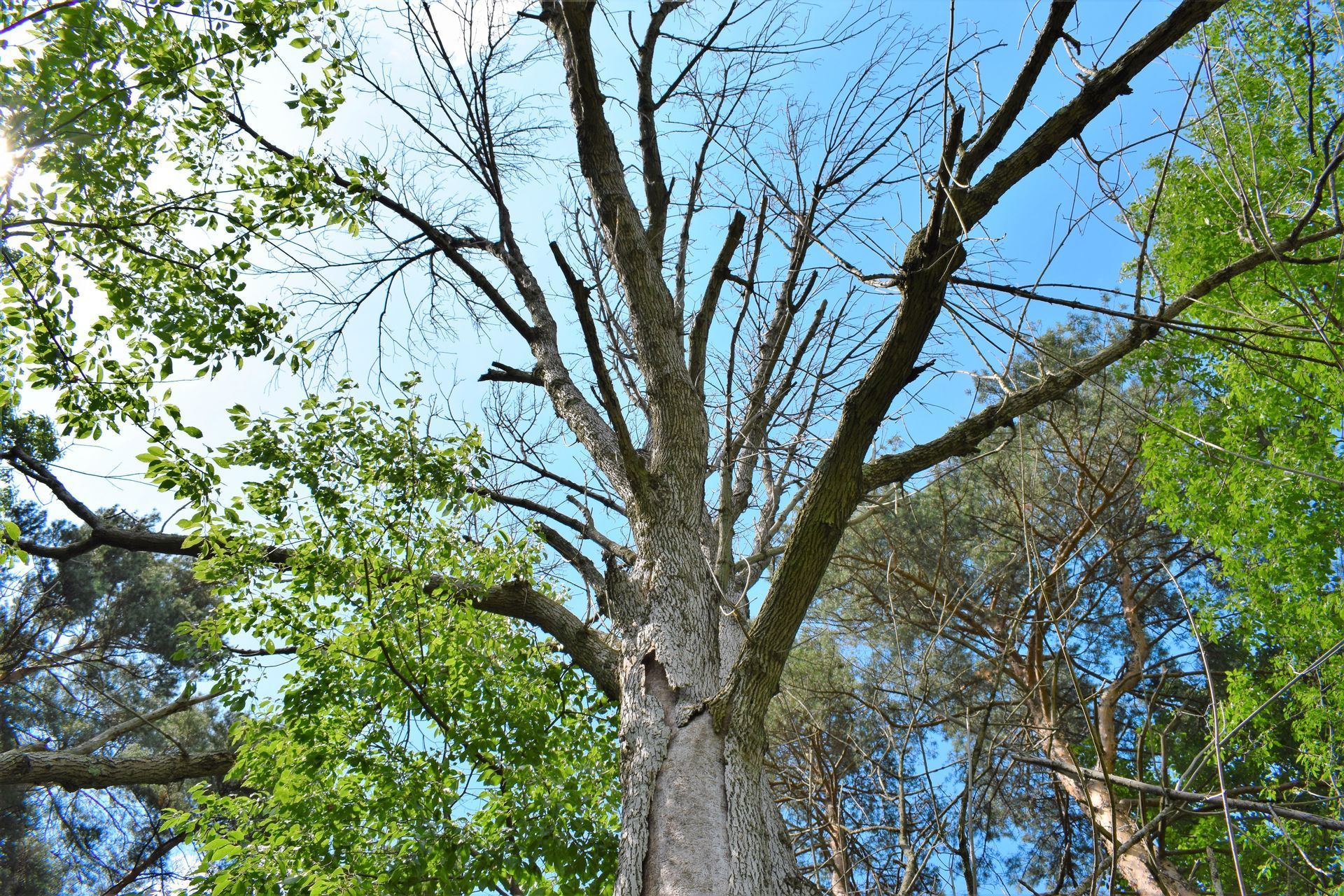
Not all storm damage is obvious. A tree may have internal cracks, damaged branch unions, or weakened structural areas that are not visible from the ground. A canopy can also conceal broken limbs or damage higher in the tree. This is why a tree that looks mostly intact should not automatically be considered unaffected after a major storm. Professional assessments can provide a more complete picture of the tree's condition. A local tree service can examine the structure and identify concerns that may not be apparent during a simple visual check. Finding hidden damage early can help property owners make informed decisions about ongoing tree care.
Schedule a Formal Tree Risk Assessment
Storm inspections are useful, but regular professional assessments can provide another layer of protection for trees that remain on a property. According to Purdue University, it is crucial to have a formal tree risk assessment completed by a qualified arborist at least once every five years. A significant storm may also create a reason to arrange an assessment sooner, particularly when trees have sustained visible damage or experienced unusual stress. Regular evaluations can help identify structural issues before they become urgent. Working with a local tree service familiar with tree risk assessment can give property owners a clearer understanding of the condition of mature trees and the concerns that may require ongoing monitoring.
Document Storm Damage for Follow-Up
Keeping a record of what happened during a storm can make follow-up conversations easier. From a safe location, property owners can note which trees lost branches, which areas experienced flooding, and whether any trees changed position. Photographs may also be useful when they can be taken without approaching unstable areas. Documentation can help professionals understand what changed and can provide a reference for future inspections. If a property has experienced repeated storm damage, records may also reveal patterns involving certain trees or areas. Sharing relevant observations with a local tree service can help the crew focus its evaluation on the most concerning areas.
Know When a Tree Needs Immediate Attention
Some storm-related conditions should be addressed promptly rather than added to a routine maintenance list. Trees that are leaning significantly, have large broken limbs hanging overhead, show major trunk splits, have substantial root disturbance, or are contacting utility lines may present immediate hazards. Property owners should keep people away from affected areas and avoid standing beneath damaged trees. Professional assistance can determine what action is appropriate based on the tree's condition and surroundings. A local tree service can help evaluate storm-damaged trees and identify concerns that require timely attention. Taking visible warning signs seriously can help reduce the possibility of additional property damage or injury.
A storm may pass quickly, but its effects on trees can continue for weeks, months, or even longer. Checking for broken limbs, leaning trunks, exposed roots, trunk cracks, and hidden structural concerns gives property owners a better understanding of what remains after severe weather. Professional evaluations are particularly valuable when damage is difficult to assess, or trees are located near structures and other areas where falling wood could create serious consequences. If your property needs a post-storm tree inspection, cleanup, risk assessment, or ongoing tree care, RLB Tree Service can help. Contact RLB Tree Service to schedule an evaluation and get a clearer picture of your trees' condition after the storm.
Recent Posts